×
模态框(Modal)标题
在这里添加一些文本
关闭
关闭
提交更改
取消
确定并提交
×
模态框(Modal)标题
×
期刊
文章
图表
检索
EN
中文
首页
关于期刊
期刊介绍
数据库收录
期刊荣誉
编委会
投稿指南
在线期刊
当期目录
优先出版
过刊浏览
推荐文章
专题
按栏目浏览
阅读排行
下载排行
引用排行
E-mail Alert
RSS
期刊订阅
广告合作
联系我们
EN
中文
图/表 详细信息
Impacts of anthropogenic activities on habitat fragmentation and their spatial heterogeneity in the Himalayas
LI Jiaming, LIU Jiachuan
地理学报(英文版), 2026, 36(
4
): 943-962. DOI:
10.1007/s11442-026-2477-x
Year
Lowlands
Low mountain areas
Subalpine areas
Alpine areas
Extremely high alpine areas
2000
0.9748
0.9838
0.7972
0.9396
0.9817
2010
0.9669
0.9843
0.7646
0.9380
0.9886
2020
0.9669
0.9848
0.7713
0.9455
0.9914
Table 1
Habitat fragmentation index (HFI) of ecological land in different regions from 2000 to 2020
本文的其它图/表
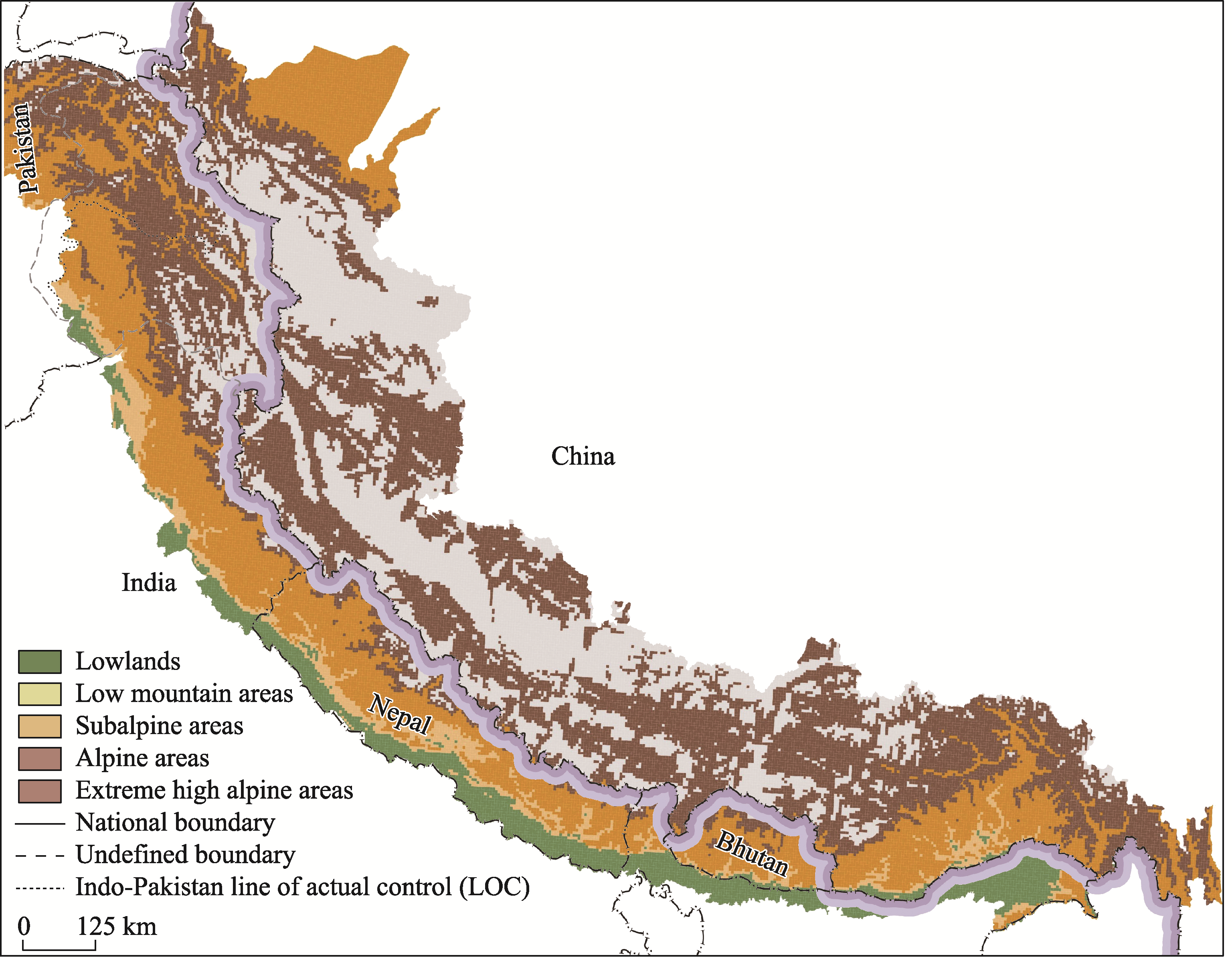
Figure 1
Location of the study area (the Himalayas)
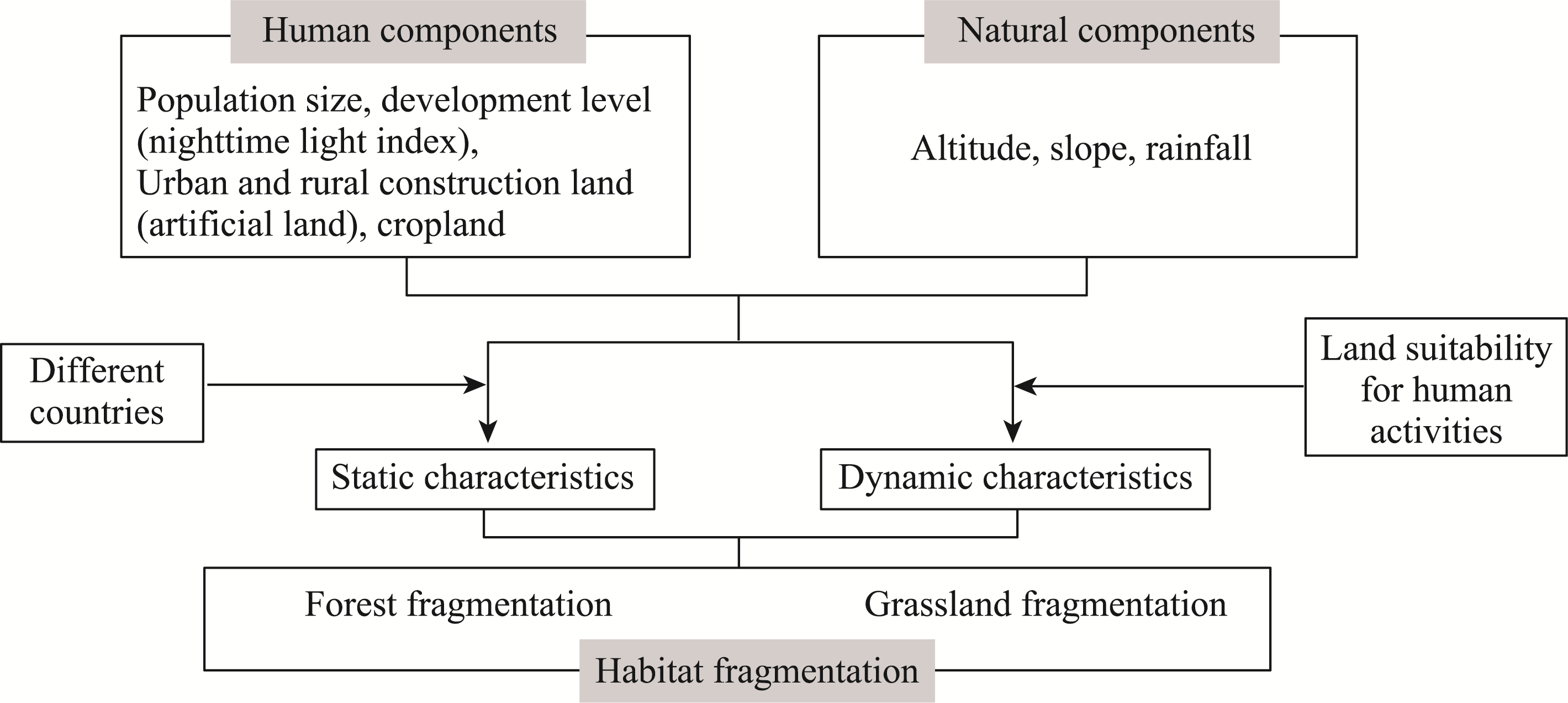
Figure 2
Analytical framework
Table 2
Ecological land occupied by the expansion of anthropogenic activities on the southern margin of the Himalayas by country from 2000 to 2020 (%)
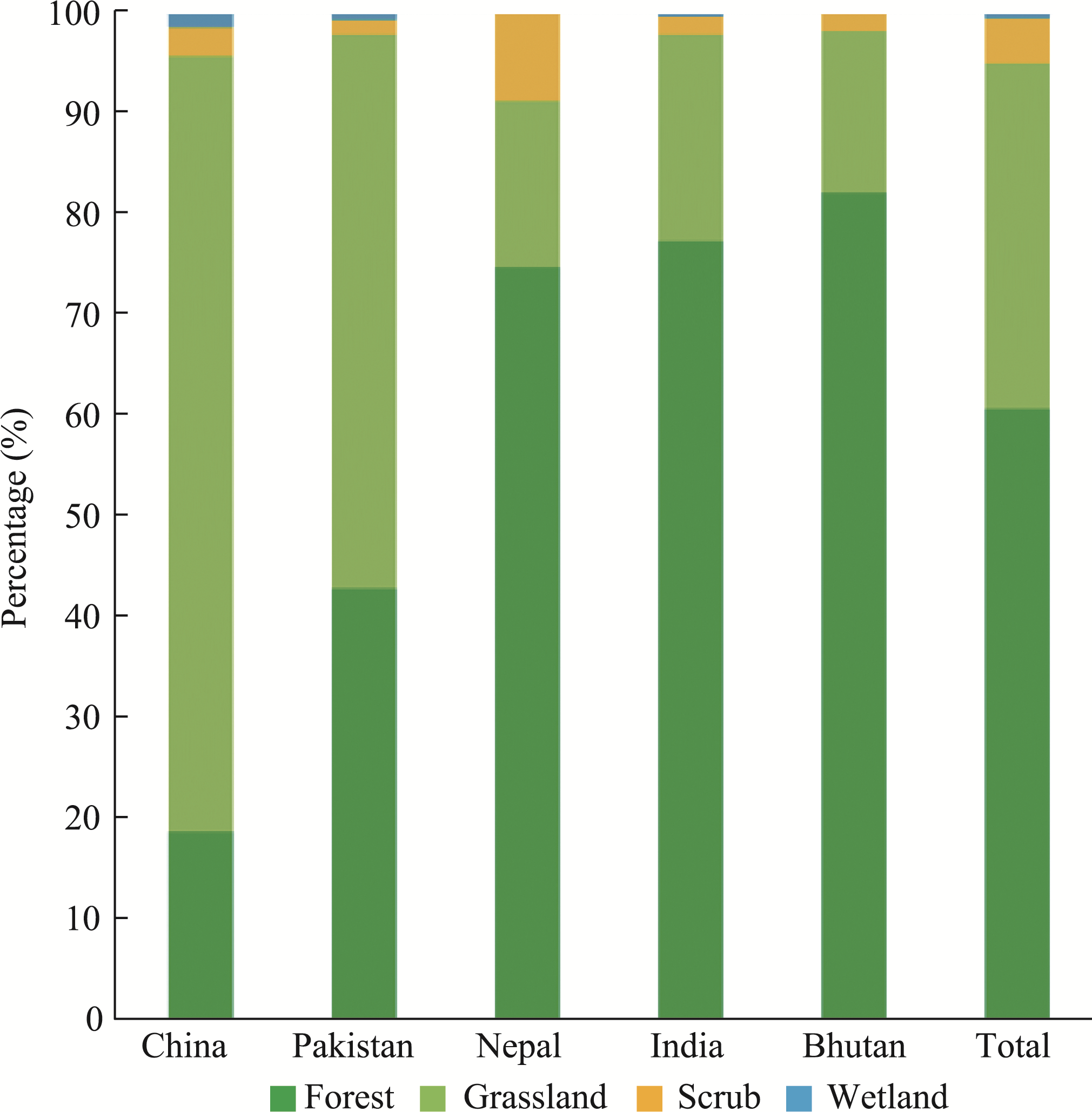
Figure 3
Proportion of ecological land loss types on the southern margin of the Himalayas by country from 2000 to 2020
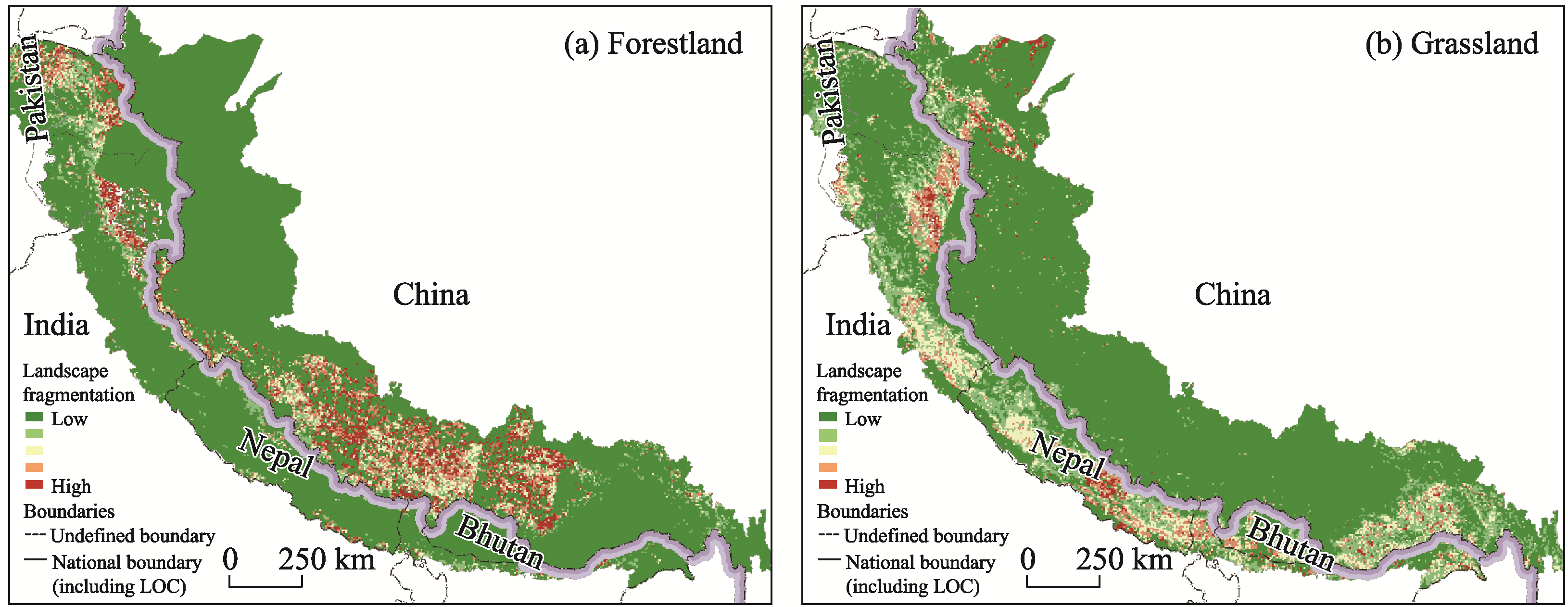
Figure 4
Forestland and grassland fragmentation in 2020
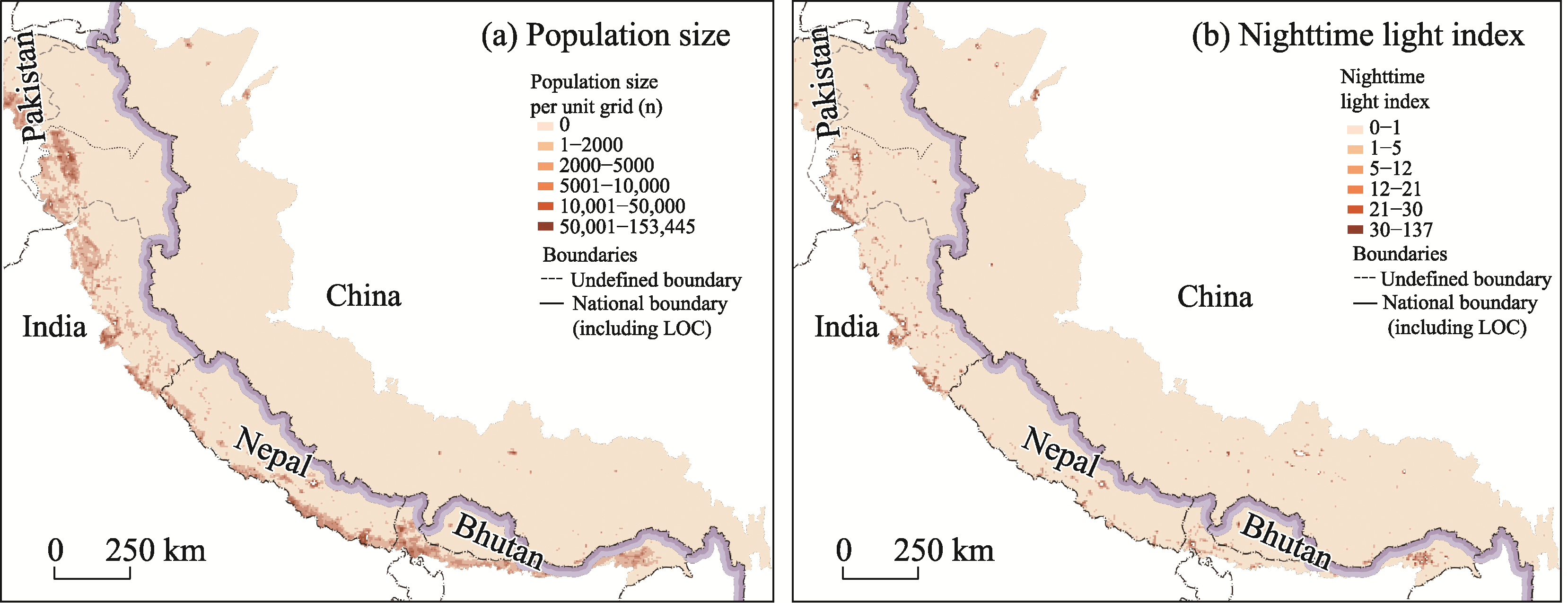
Figure 5
Classification of human activity factors in 2020
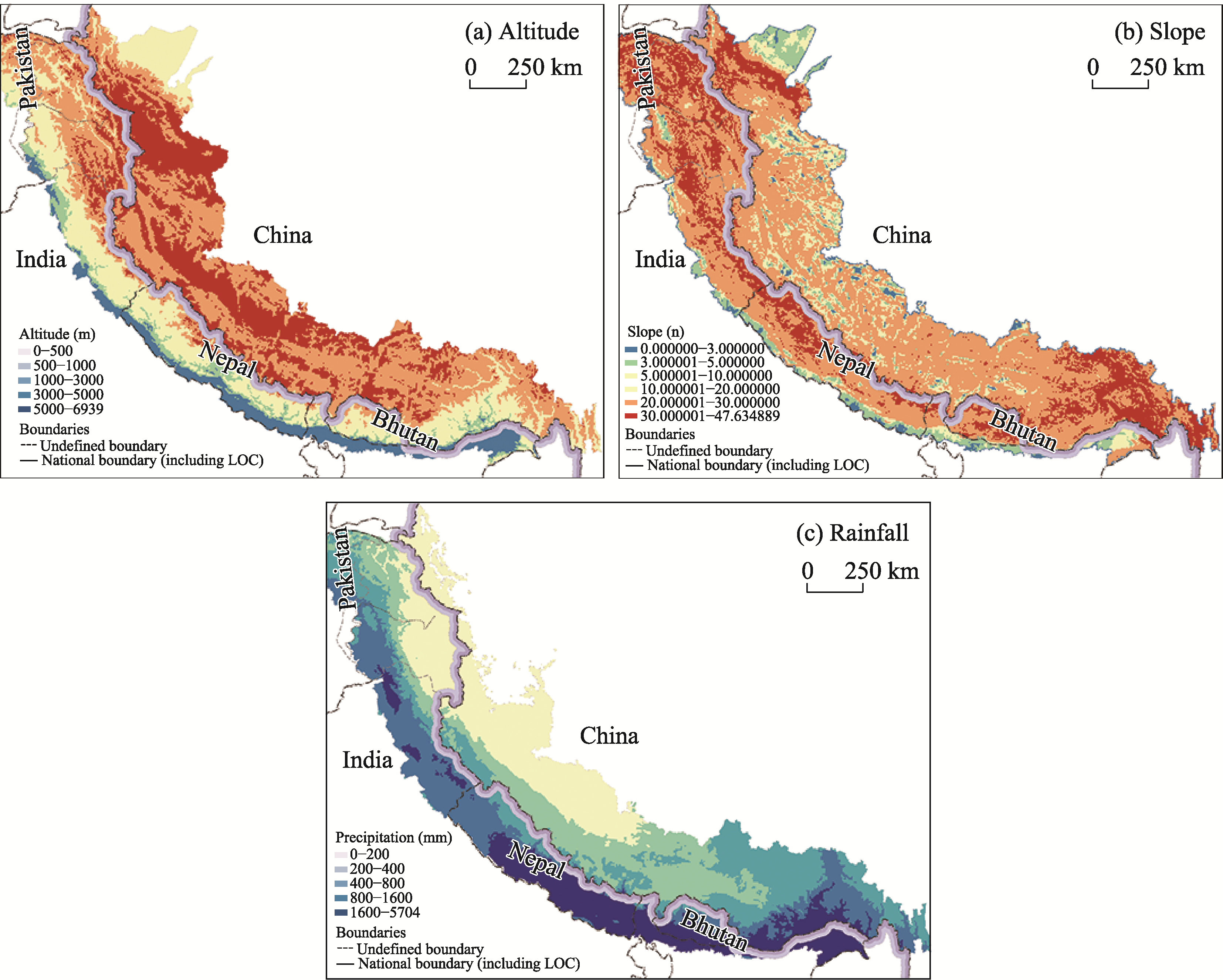
Figure 6
Classification of natural factors in 2020
Table 3
Effects on forest fragmentation
Table 4
Effects on grassland fragmentation
Table 5
The effects of changes in anthropogenic activities and natural conditions on forest fragmentation
Table 6
The effects of changes in anthropogenic activities and natural conditions on grassland fragmentation
Table 7
Comparative analysis of the suitability interactions for forest fragmentation
Table 8
Comparative analysis of the suitability interactions for grassland fragmentation